Planning a Three-Year Crop Rotation for a Vegetable Garden
Crop rotation is a foundational practice in vegetable gardening that involves growing different types of crops in a planned sequence over successive seasons. By systematically changing the location of plant families, gardeners aim to maintain soil fertility and reduce the buildup of pathogens and pests. A three-year rotation plan offers a structured yet flexible framework for small to medium-sized gardens, balancing the needs of common vegetables while allowing for adaptation to local conditions.
In the United Kingdom, where growing seasons vary with regional climates and soil types, a rotation plan must consider both traditional principles and practical constraints. This guide outlines the key concepts behind grouping vegetables, designing a simple three-year cycle, implementing the plan, and making adjustments over time. The approach is methodical rather than prescriptive, as each garden presents unique opportunities and limitations.
Understanding the rationale behind crop rotation helps gardeners make informed decisions. Rather than promising guaranteed results, the practice is best seen as a tool that, when combined with observation and good husbandry, can support long-term soil health and more balanced plant growth.
Understanding the Principles of Crop Rotation
The underlying logic of crop rotation rests on two main ideas: varying nutrient demands and interrupting life cycles of pests and diseases. Different plant families extract differing amounts of nutrients from the soil. For instance, leafy greens and brassicas are heavy nitrogen feeders, while legumes such as peas and beans fix atmospheric nitrogen, enriching the soil for subsequent crops. Growing the same family in the same location year after year can deplete specific nutrients and create an environment where soil-borne pathogens and insect pests become established.
In the UK, common issues such as clubroot in brassicas, onion white rot, and potato blight are influenced by continuous monoculture. Rotation reduces the risk by ensuring that susceptible plants are not in the same ground for consecutive years. The length of the rotation should be at least three years for most families, as many pathogens can persist in soil for that period. However, no rotation can eliminate all risks, and external factors such as weather, nearby wild plants, and introduced soil also play a role.
Another principle involves considering the rooting depth and growth habits of plants. Deep-rooted vegetables like parsnips and carrots can help break up compacted soil, while shallow-rooted crops like lettuce may benefit from the preceding structure. A rotation plan can integrate these characteristics to improve soil structure over time.
Grouping Vegetables for Practical Rotation
To design a three-year rotation, it is helpful to sort common vegetables into three or four broad groups based on family and growth requirements. In the UK, a widely used approach groups vegetables as follows:
- Group A – Legumes: peas, broad beans, French beans, runner beans. These fix nitrogen and are often followed by nitrogen-demanding crops.
- Group B – Brassicas: cabbage, kale, broccoli, cauliflower, Brussels sprouts, turnips, swede. These are heavy feeders, especially of nitrogen and calcium, and are susceptible to clubroot and cabbage root fly.
- Group C – Roots and Alliums: carrots, parsnips, beetroot, onions, garlic, leeks, shallots. This group includes both shallow and deep roots, and alliums are generally light feeders that benefit from preceding nitrogen-rich crops.
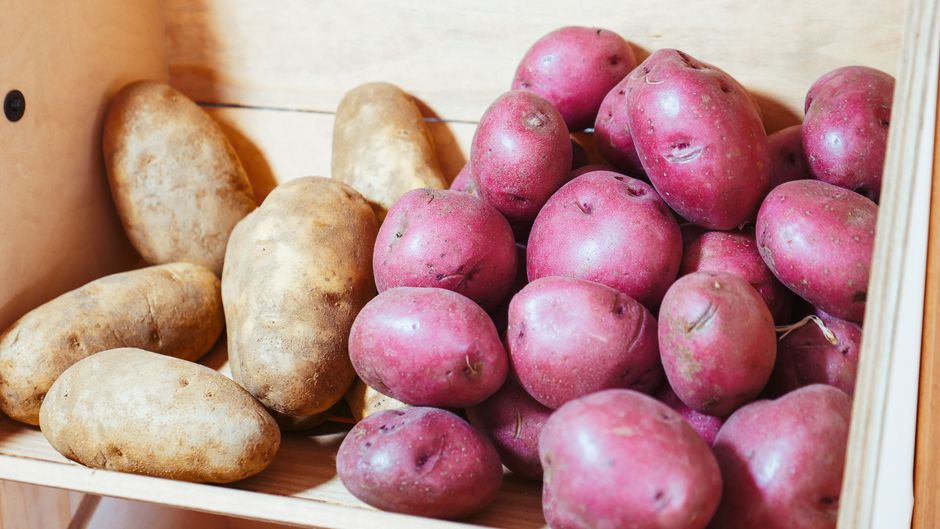
- Group D – Potatoes and Tomatoes (Solanaceae): potatoes, tomatoes, peppers, aubergines. These are often treated separately because of specific disease risks, such as potato blight and Verticillium wilt, and their high potassium demand.
In a three-year rotation, these groups can be arranged so that each plot receives three different groups over the cycle. For smaller gardens, Group D is sometimes included with Roots and Alliums, but careful attention to disease management is then needed. The grouping can be adjusted based on the gardener’s priorities and the vegetables they intend to grow.
Designing a Three-Year Rotation Plan
A simple three-year plan might divide the growing area into three equal sections (beds or plots). Each section follows a cycle that moves each group to a new location every year. The example below uses three main groups: Legumes, Brassicas, and Roots/Alliums, with a separate area for potatoes if space allows. For clarity, the plan assumes that potatoes occupy a dedicated bed outside the rotation, or they can be rotated within the Root group if disease pressure is low.
Year 1:
Bed 1: Legumes (peas and beans). After harvest, soil is enriched with nitrogen-fixing residues. In autumn, a green manure such as winter rye or field beans can be sown.
Bed 2: Brassicas (cabbage, kale, broccoli). These benefit from the nitrogen left by the previous year’s legumes in the same bed (from the previous cycle).
Bed 3: Roots and Alliums (carrots, onions, beetroot). These follow brassicas from the previous year, using the soil that has been well-fed but is now lower in nitrogen.
Year 2:
Bed 1: Brassicas (following the legumes grown there in Year 1).
Bed 2: Roots and Alliums (following the brassicas from Year 1).
Bed 3: Legumes (following the roots and alliums from Year 1).
Year 3:
Bed 1: Roots and Alliums.
Bed 2: Legumes.
Bed 3: Brassicas.
This cycle repeats, ensuring each family returns to the same bed only every three years. For gardeners who grow potatoes and tomatoes, a fourth bed can be added, or they can be included in the Root group but with careful monitoring of soil-borne diseases. The exact phasing can be shifted to accommodate personal preferences, such as which bed gets the earliest spring planting.
Implementing the Rotation in the Garden
Putting a rotation plan into practice involves several practical considerations. Physical layout of beds, paths, and access points should allow each section to be managed independently. In the UK, many gardeners use raised beds or permanent marked plots to simplify record-keeping. Keeping a garden journal with notes on planting dates, varieties, pest observations, and yields helps track the rotation year to year.
Soil preparation varies with each group. Legumes generally require little extra nitrogen, but benefit from phosphorus and potassium. Brassicas appreciate a firm, fertile soil with added lime if pH is low. Roots and alliums prefer a light, well-drained soil and can be sensitive to fresh organic matter, which can cause forking in carrots. Potatoes need a deep, well-prepared bed with high potassium, and they are often manured in the previous autumn.
Green manures and cover crops can be integrated between main crops or over winter. For example, after harvesting early legumes, a mustard or phacelia cover can be sown to protect soil structure and suppress weeds. These practices complement the rotation and enhance soil biology without interfering with the main cycle.
Adapting the Plan for Small Spaces and Specific Needs
Not every gardener has the space for three separate beds. In small gardens, container growing or intercropping can still follow rotation principles. For instance, one can rotate containers or window boxes by moving them to different positions each year, or use a small plot with a three-year plan on paper even if the actual area is limited. Another approach is to focus on the most disease-prone crops and rotate only those, leaving others to be grown with more flexibility.
Perennial vegetables such as asparagus, rhubarb, and artichokes reside outside the rotation since they stay in place for many years. They should be located in a permanent bed or area that is not part of the three-year cycle. Similarly, herbs like rosemary and thyme are often grown in separate spots and do not need rotation.
Gardeners in regions with a shorter growing season may need to adjust planting windows. For example, in northern UK areas, early potatoes might be planted later, and winter brassicas may need protection. The rotation plan should be flexible enough to account for such variability while still maintaining the sequence of families.
Monitoring and Adjusting Over Time
No rotation plan remains static. Over several years, observations will reveal which crops perform best in which beds, how soil fertility changes, and where pest problems emerge. Regular soil testing (every two to three years) provides data on pH, organic matter, and nutrient levels, allowing tailored amendments. If a particular pest appears repeatedly despite rotation, other strategies such as using resistant varieties, improving hygiene, or introducing biological controls may be needed.
Cover crops and green manures can be adjusted based on observed nutrient depletion. For instance, if brassicas show poor growth, the preceding legume cover might be supplemented with additional organic matter. Rotation is part of a broader management system that includes composting, mulching, and careful watering. The goal is not perfection but a continuous improvement of the garden ecosystem.
Ultimately, a three-year rotation provides a resilient framework that adapts to changing conditions. It encourages thoughtful planning and helps gardeners develop a deeper understanding of their soil and plants. With consistent application over several cycles, the garden can become more self-regulating, though external factors such as weather extremes will always require attention and adaptation.